

Quick answer
Formentera is worth visiting if you prioritize uncrowded Mediterranean beaches over nightlife or cultural landmarks. The island has no airport and remains the least developed of the inhabited Balearics, offering crystalline water at Ses Illetes and Cala Saona, cycling routes through salt flats, and a slower pace than Ibiza. Public access to the island is free, though specific nature reserves charge nominal fees.
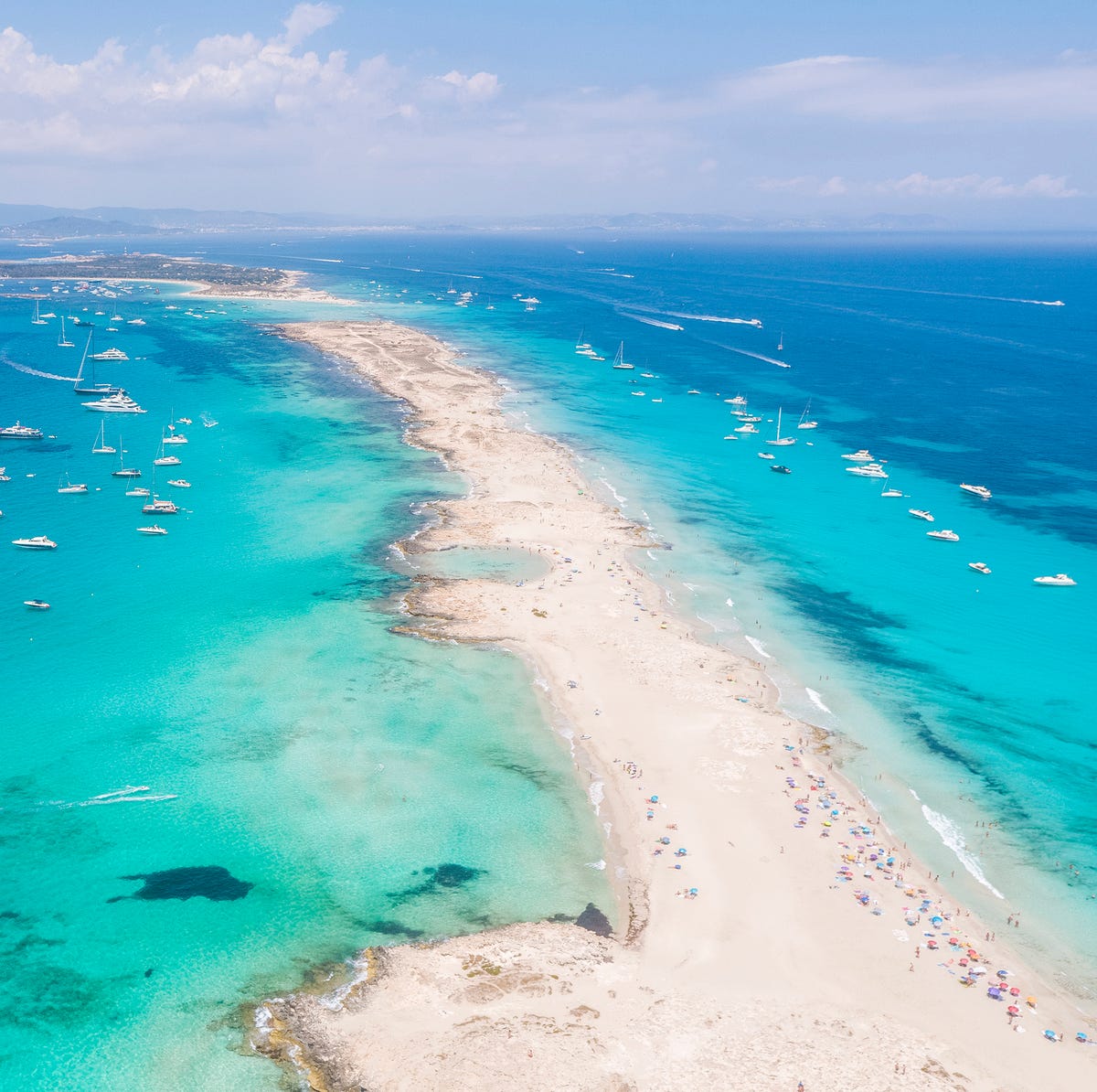
Formentera receives approximately 2 million visitors annually—modest compared to Mallorca's 10 million—yet the island's 12,000 permanent residents face density spikes in July and August. The lack of an airport filters the crowd: every arrival comes by ferry from Ibiza, Dénia, or Barcelona, a natural bottleneck that preserves the island's low-key character. The draw is environmental rather than architectural. Formentera has no major museums, no medieval quarter, no UNESCO sites. What it offers instead are six kilometers of uninterrupted beach at Ses Illetes, water so transparent that anchored boats appear suspended mid-air, and Posidonia oceanica seagrass meadows—a UNESCO World Heritage element that keeps the sea blue-green and oxygenated. The interior is flat, crisscrossed by 32 designated cycling routes past vineyards, white-cube farmhouses, and the 18th-century Sant Francesc Xavier church. Costs run higher than on the Spanish mainland. Summer restaurant mains start at 18 euros, bicycle rentals at 12 euros per day, and beachfront sunbeds at 25 euros for two. The island operates on a seasonal calendar: most hotels and restaurants close between November and March, and ferry frequency drops to a handful of daily crossings. Whether Formentera justifies the expense and transit effort comes down to priorities. If your definition of value includes named attractions, varied cuisine, or evening programming, Ibiza or Mallorca deliver more per square kilometer. If it means wading into bath-warm shallows without a towel-to-towel crowd, the smallest Balearic island earns its place. The absence of an airport remains both the constraint and the selling point: Formentera stays worth visiting because it stayed harder to reach.
“The absence of an airport remains both the constraint and the selling point: Formentera stays worth visiting because it stayed harder to reach.”
When Is Formentera Worth Visiting for Ideal Conditions?
Formentera offers distinct experiences depending on the season, with the months of May, June, and September providing a balance of warm temperatures and manageable visitor numbers. Planning your daily visit within the 09:00–11:00 window ensures a smoother start by avoiding the peak arrival times of mid-day ferries.
May and June
ModeratePleasant, 20°C to 25°C
Ideal for cycling and beach access before high summer temperatures arrive.
July and August
HighHot, 26°C to 30°C
Expect peak activity and warmer waters, requiring early planning for all logistics.
September and October
Low to moderateWarm, 22°C to 27°C
The water remains warm from summer, offering a quiet environment for exploring the coastline.
Weekday mornings
Minimal—
Arriving between 09:00–11:00 helps secure vehicle parking and avoids dense ferry terminal crowds.
Verdict: For optimal conditions, visit during May or September, arriving between 09:00–11:00 on a weekday to minimize crowds.
Natural Landmarks: Is Formentera Worth Visiting for Its Scenery?
Formentera is defined by its preserved natural landscapes and distinct Mediterranean geography. The island's geography centers on protected coastal areas and elevated vistas that provide clear views of the Balearic Sea.
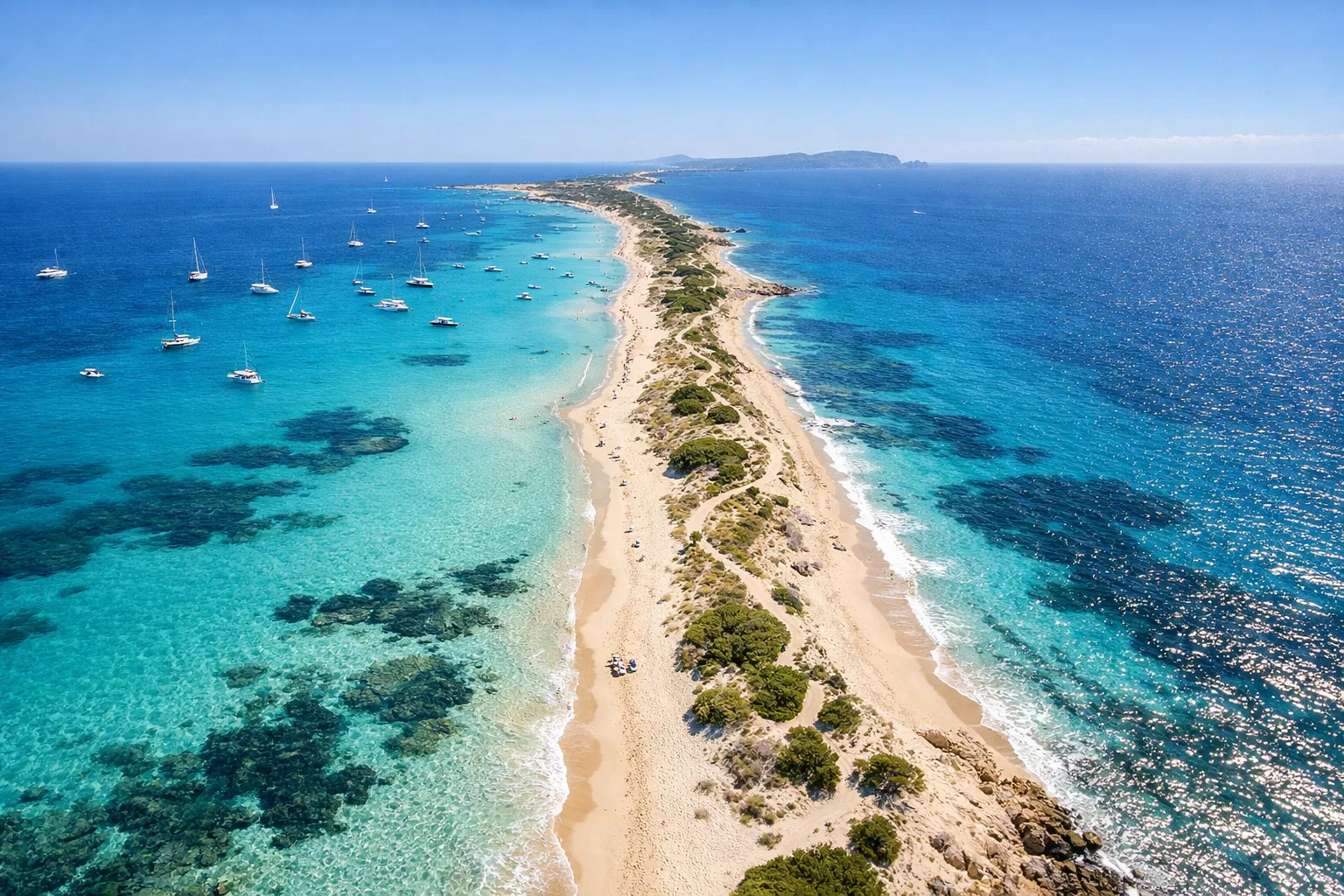
Ses Illetes Beach
Located within the Ses Salines Natural Park, this beach is known for its shallow turquoise waters and white sand dunes. It remains the most recognized natural feature on the island due to its protected status.
Visit early to observe the beach before the peak ferry arrivals.
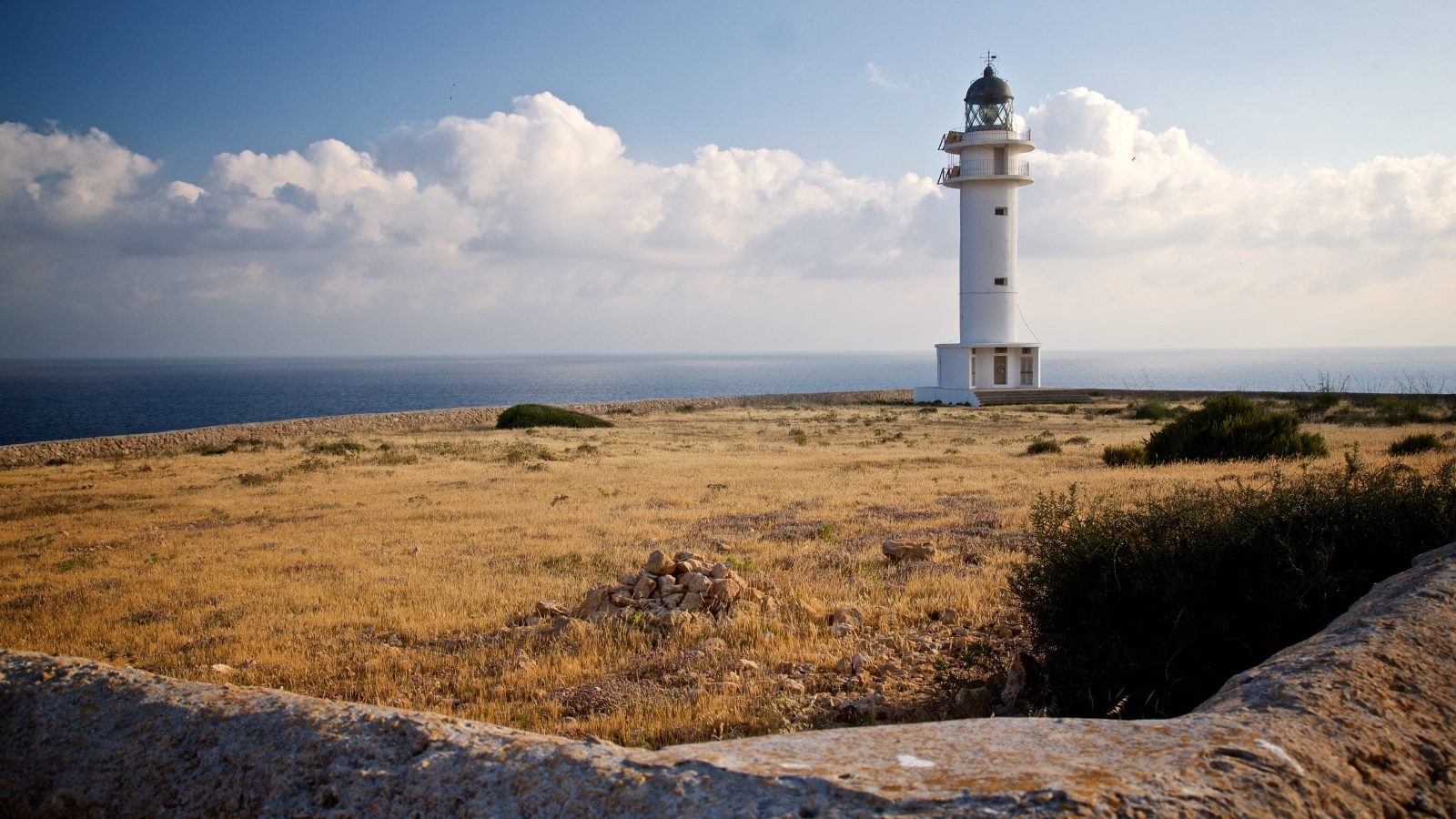
Cap de Barbaria Lighthouse
This lighthouse sits at the southernmost point of the island, surrounded by a stark, rocky plateau. The site offers an unobstructed perspective of the sea and the rugged terrain of the island's interior.
Walk the path behind the lighthouse for a view of the cliff.
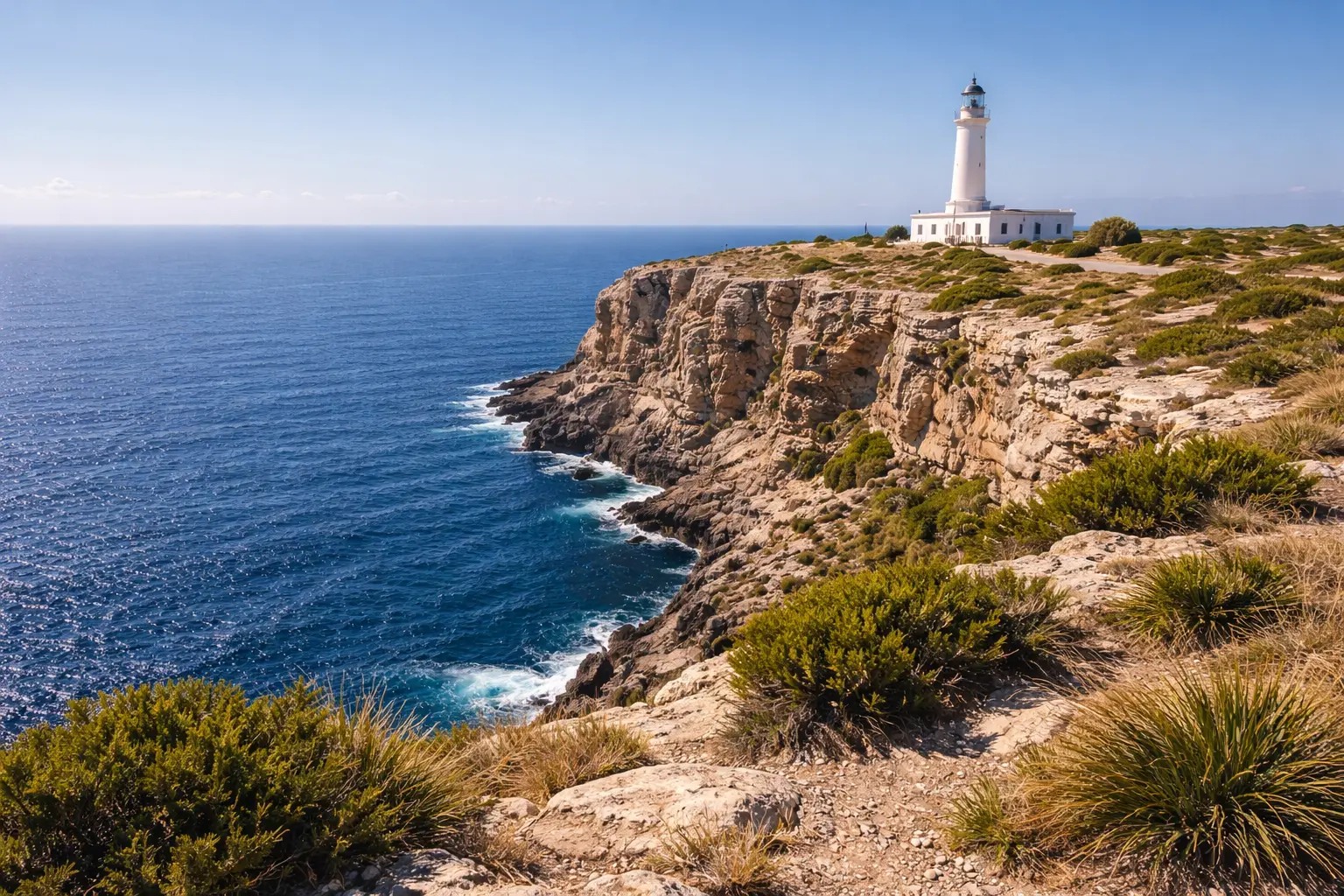
La Mola Lighthouse
Situated on the highest point of Formentera, this lighthouse overlooks dramatic cliffs that drop directly into the water. It serves as a vantage point for observing the island's elevation and coastal geography.
Watch for the sunset from the adjacent cliffside area.
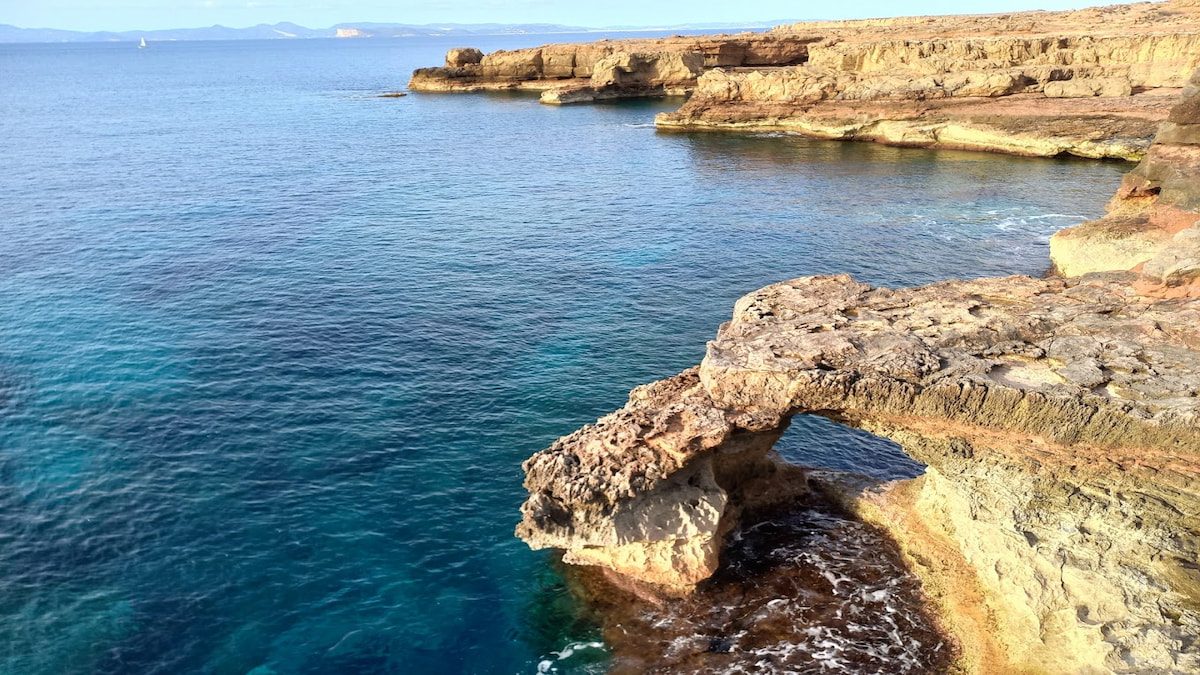
Can Marroig
This area features rock formations shaped by the sea and wind, providing a contrast to the island's sandy beaches. It is part of the Ses Salines Natural Park and offers walking paths through native vegetation.
Explore the coastal rock pools during calm weather.
Entrance Fees: Is Formentera Worth Visiting on a Budget?
Formentera offers free access to public island areas, as there is no single admission charge for visiting. Fees may only apply if you choose to enter specific protected zones or designated natural areas.
Check availability
Common questions about visiting Formentera
Everything you need to know about is formentera worth visiting